


In interviews with Aerospace Global News, ASKY Airlines’ Commercial Director and analyst Sean Mendis discuss the cost of taxes on Africa’s aviation industry.
Is it all bark and no bite at the African Union? Despite all members committing to effectively liberalise the continent’s aviation industry, unlocking expansion and alleviating many unnecessarily high costs, very few have taken action.
In some cases, travellers flying between neighbouring countries in, say, West Africa, might sometimes find it easier to fly via Europe to get to their destination due to a lack of non-stop or more convenient one-stop options.
The unsustainably inconvenient nature of combined African airline networks has a direct effect on local populations. Arguably, a lack of connectivity also hinders economic growth. As a recent study on the African aviation industry noted: “Much of the lost connectivity can be attributed to the inability of national airlines to remain viable, along with weak infrastructure and slow and uneven liberalisation.”
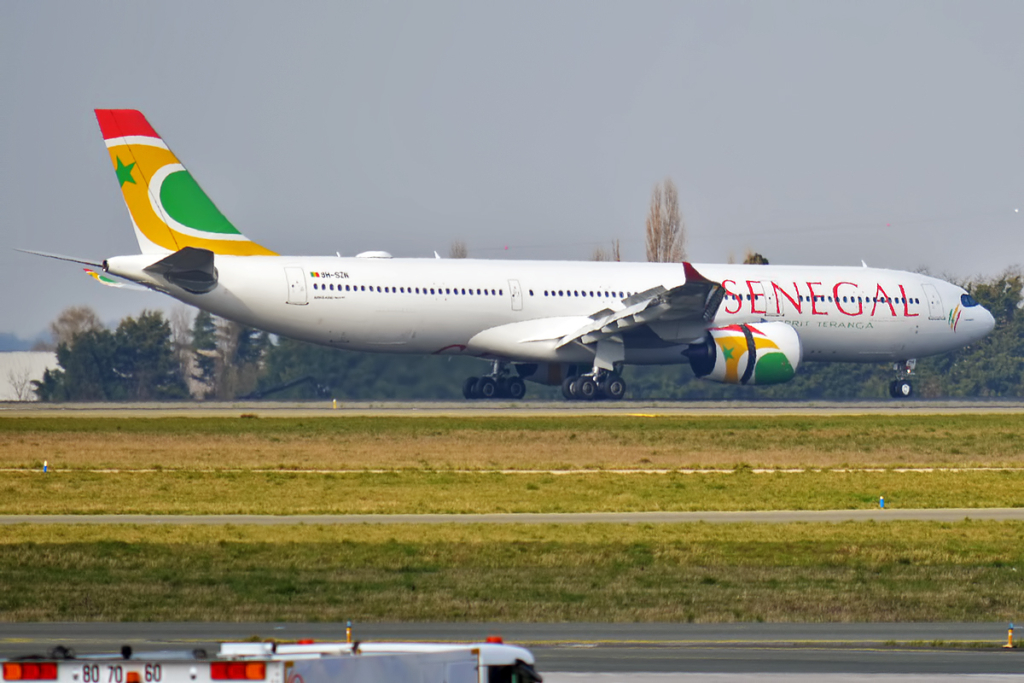
Africa is full of potential. Although not leading economically – slower industrialisation in large part attributable to colonial legacies and uneven development – local populations are booming. And as the number of people grows, so too will demand for air travel.
Aviation is the cash cow for governments
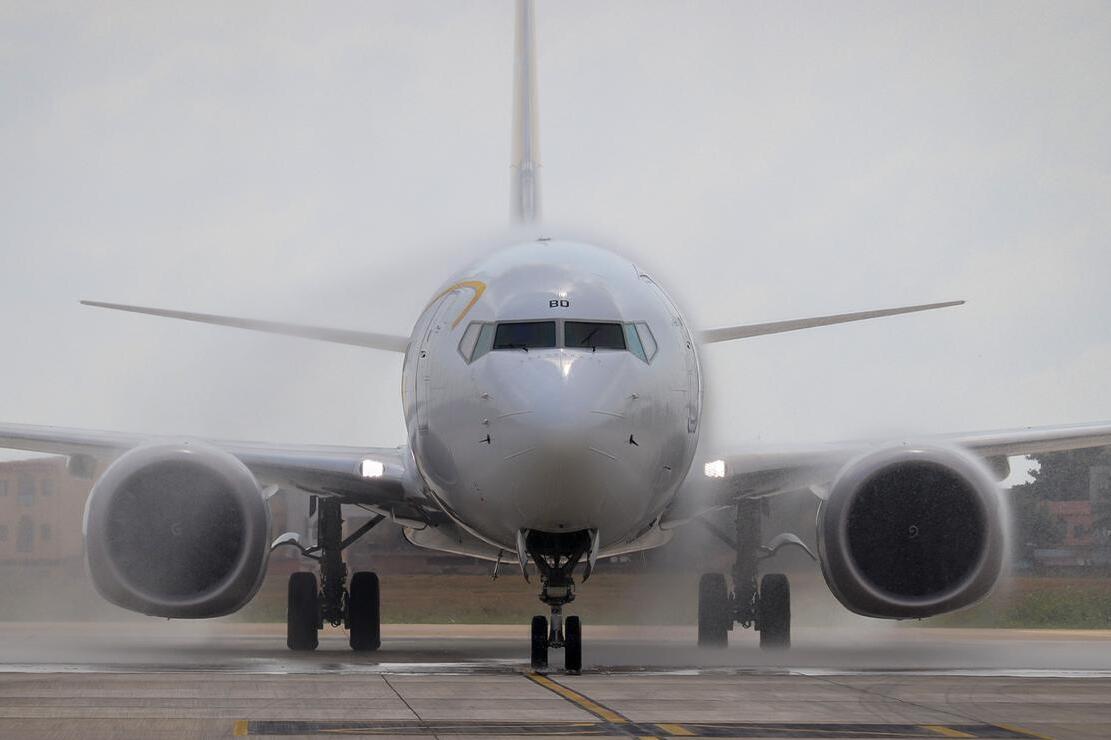
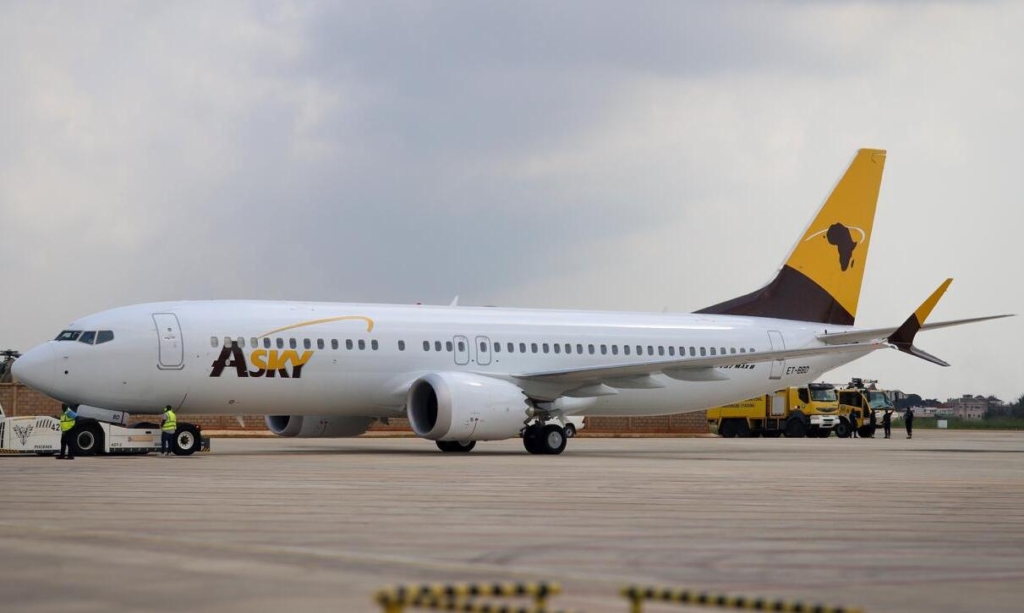
One of West Africa’s burgeoning regional airlines, ASKY – which describes itself as a pan-African operator – tells Aerospace Global News that it too, despite its success, is limited by government-imposed fees and taxes across the countries in which it operates.
Profitable for several years now, the company has been centred around being cost-conscious – and that is not easy when factors like these are not in its control.
“The regulatory aspect is a challenging one,” Commercial Director Martial Daté Dovéné Tevi-Bénissan says. “Unlike other parts of the world where you have, for example, a kind of unified sky, where similar regulation is applied to all airlines operating, here you have different regulations from one country to another. It is not only costly because you have to adapt for each specific country based on its regulation, we also have the protectionism of the states for traffic rights.”
“When you are a foreign airline, it is easier for you to get traffic rights than when you are a regional carrier that is providing essential connectivity, because the state are still protecting their national carriers. They allow foreign carriers to come as they want, but the regional carriers continue to face barriers. Although they have signed the SAATM [Single African Air Transport Market initiative] , they are still not implementing it.”
He argues that aviation has been singled out by authorities. “Aviation has become a cash cow for governments to collect money, so taxes are just rising, while infrastructure and other improvements doesn’t follow.”
The executive also confirmed that the company has avoided some markets as a result, or limited growth.
Similarly, Sean Mendis, a seasoned former aviation executive at airlines in Ghana and Uganda for instance, highlights the impact of such fees in an interview with this publication. He describes such charges as nonsensical.
“A lot of these governments need to raise domestic taxes, and often the misconception exists that aviation is something for the elite, so we can tax it more,” he explains. “But the unintended consequence of that is that by pricing aviation taxes so high, you create a self-fulfilling prophecy that aviation becomes only accessible to the elite.”
Sourcing spare parts is a challenging task
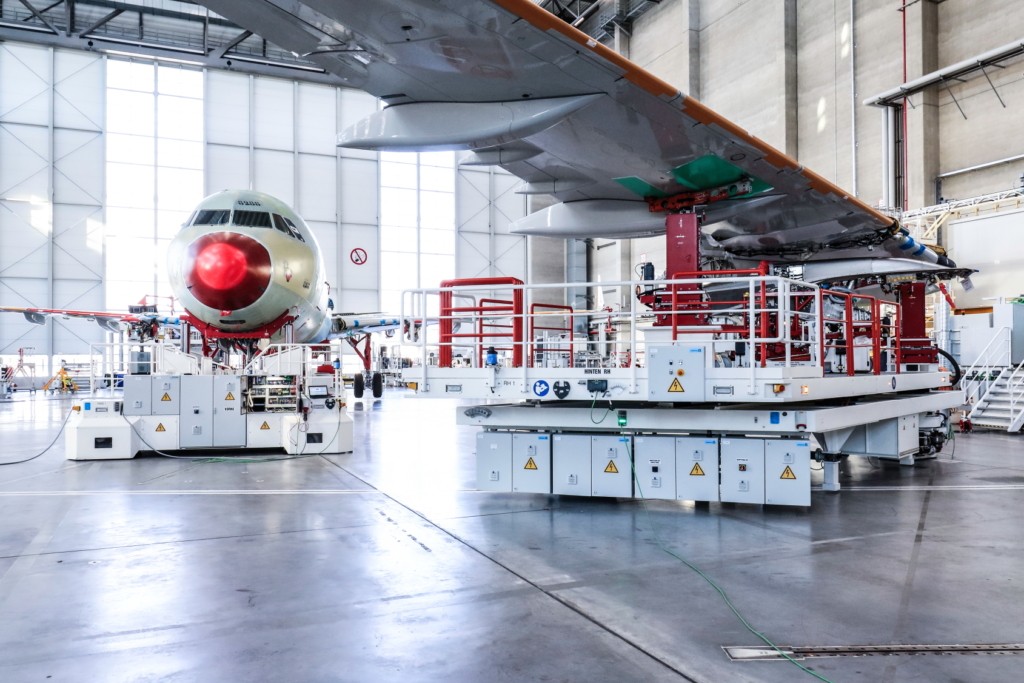
Africa faces a chronic shortage of spare aircraft parts. Pointing to personal experience in the industry, Mendis said sourcing them is not easy.
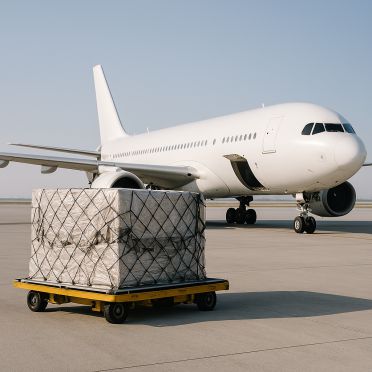
As they cannot be found locally, they have to be shipped from elsewhere – such as the United States or Europe – which also involves a host of additional fees outside of the transportation cost.
With the time the aircraft spends waiting on the ground for the spare part, customs clearance and other taxes, it becomes a very costly endeavour indeed. “I think Africa pays what I call a 30% Africa tax on pretty much anything you do in Africa, and that is the unfortunate reality of the logistics and regulatory situation.”
Tevi-Bénissan echoed this sentiment. “Taxation in aviation in Africa is a kind of killer stone, because high taxes are imposed on all spare parts. There are lot of huge charges you have to pay, not only to transport them – which is expensive with the scarcity we have right now in the aviation industry.”
It’s not just spare parts that adds to the cost. Crew training, for example, is also a serious challenge.
For ASKY, it hopes to overcome that bottleneck locally, though, as it announced the construction of a brand-new Boeing 737 pilot training simulator last month. This will be the first of its kind for West Africa, and will be accessible to airlines across the region.
Featured image: ASKY
Source: AEROSPACE GLOBAL NEWS.


No comment